Tank vs. Tankless Water Heater: Which Is Right for You?
Table of contents
A tank water heater costs less to buy and install and is simple to replace. A tankless water heater heats water only when you use it, so it doesn’t run out, takes less space and usually lasts longer, but it costs more up front and may need gas, electrical or venting changes. The right choice depends on how much hot water your home uses at once, your budget and what your home already has.
Tank vs. Tankless at a Glance
| Tank (storage) | Tankless (on demand) | |
|---|---|---|
| How it works | Keeps a tank of water hot all the time | Heats water as it flows through the unit |
| Hot water supply | Can run out when the tank is used up | Doesn’t run out, but flow is limited by the unit’s size |
| Energy use | Loses some heat keeping the tank hot | No standby heat loss; typically more efficient |
| Space | Large tank in a closet, garage or utility room | Small wall-mounted unit |
| Up-front cost | Lower | Higher; installation may need upgrades |
| Lifespan | Shorter | Longer |
| Maintenance | Flush sediment from the tank | Flush (descale) the heat exchanger |
How Each Type Works
A tank water heater heats and stores a set amount of water, usually 40 or 50 gallons in a typical home, and keeps it hot until you use it. When the hot water is used up, you wait for the tank to heat a new batch.
A tankless water heater has no tank. When you open a hot faucet, water flows through the unit and a gas burner or electric element heats it on the spot. As long as the unit is big enough for what you’re running, the hot water keeps coming.
Energy Use and Lifespan
According to the U.S. Department of Energy, for homes that use 41 gallons or less of hot water a day, demand (tankless) water heaters can be 24% to 34% more energy efficient than conventional storage water heaters, and 8% to 14% more efficient for homes that use a lot of hot water (around 86 gallons a day). The DOE also notes that most tankless water heaters have a life expectancy of more than 20 years, compared with 10 to 15 years for storage water heaters.
Hot Water Supply: The Sizing Question
A tankless heater never “runs out”, but it can only heat so many gallons per minute. If two showers, the dishwasher and the washing machine run at the same time, an undersized unit can’t keep up and the water turns lukewarm. Sizing it for the fixtures you use at the same time is the key to being happy with a tankless heater.
With a tank, the question is capacity: a bigger family or a big soaking tub may need a larger tank so the hot water lasts.
Installation: What Changes
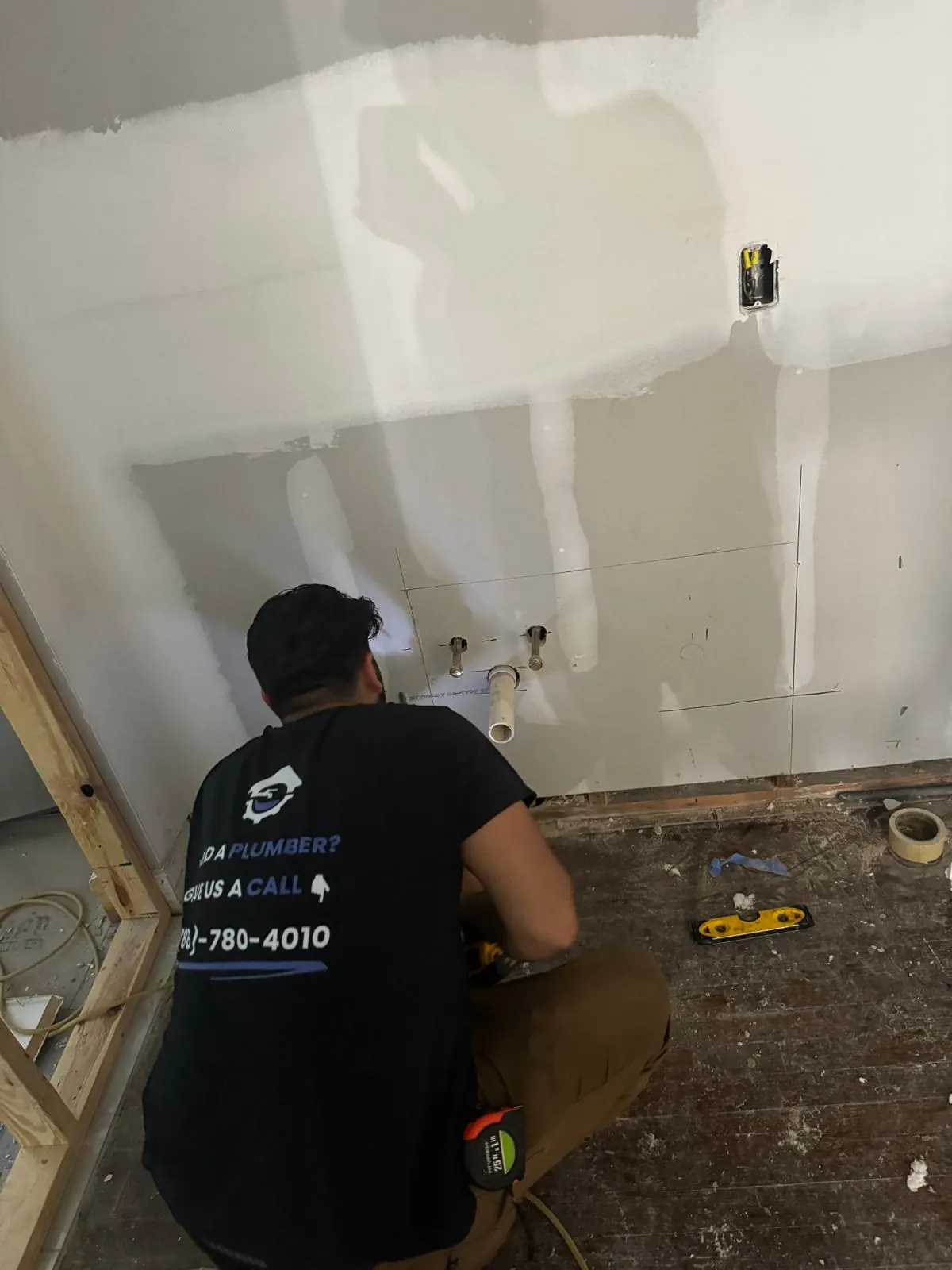
Replacing a tank with a new tank is usually straightforward: same spot, same connections. Switching to tankless can involve:
- Gas Units: a larger gas line and new venting may be needed.
- Electric Units: they draw a lot of power at once, so the electrical panel and wiring must be able to handle it.
- Location: wall mounting, inside or outside depending on the model.
- Permits: water heater replacements may need a permit from your city or county.
For typical market prices for both types, see our South Florida plumbing cost guide.
South Florida Considerations
- Space: many homes and condos keep the water heater in a closet or garage, where a wall-mounted tankless unit frees up room.
- Mineral Buildup: minerals in the water build up inside tankless units over time, so regular descaling matters. Tanks collect sediment at the bottom, which is why flushing helps them too.
- Leaks: an old tank that starts leaking can flood a closet or garage. If your tank is getting old, plan the replacement before it fails.
Which One Should You Choose?
A tank may be the better fit if you want the lowest up-front cost, your current tank works well for your household, or your home’s gas or electrical service would need major upgrades for tankless.
A tankless heater may be the better fit if you keep running out of hot water, you want to free up space, you plan to stay in the home long enough to benefit from the longer lifespan and lower energy use, and your home can support the installation.
Not sure? We install and repair both. See water heater repair & installation and tankless water heaters, or call (786) 381-1381, 24 hours a day.
FAQ
Is a Tankless Water Heater Worth It?
It can be, if your home can support the installation and you value endless hot water, less space and lower energy use. The up-front cost is higher than a tank.
How Long Do Tank and Tankless Water Heaters Last?
The U.S. Department of Energy puts storage water heaters at 10 to 15 years and most tankless units at more than 20 years.
Can a Tankless Water Heater Run the Whole House?
Yes, if it is sized for the number of fixtures you use at the same time. Very large homes sometimes use two units.
Do Tankless Water Heaters Need Maintenance?
Yes. Flushing (descaling) removes mineral buildup from the heat exchanger. Follow the interval in your model’s manual.
Can I Replace My Tank With a Tankless Heater in the Same Spot?
Often, but it depends on gas supply, venting and electrical capacity. A plumber can check what your home needs.