Slab Leak Signs Every South Florida Homeowner Should Know
Table of contents
The most common signs of a slab leak are a water bill that jumps for no reason, warm spots on the floor, damp or warped flooring, the sound of running water when everything is off, and a water meter that keeps moving. Most South Florida homes are built on a concrete slab with water lines in or under it, so slab leaks are a real risk here. If you notice these signs, run the meter test below and call a plumber.
Slab Leak Signs at a Glance
| Sign | What it can mean |
|---|---|
| Higher water bill with no change in use | Water is escaping somewhere you can’t see |
| Warm or hot spots on the floor | A hot-water line is leaking under the slab |
| Damp carpet, warped wood, loose or cracked tiles | Water is rising through the slab |
| Sound of running water with everything off | A pressurized line is leaking |
| Water meter moves when nothing is running | A leak somewhere in the system |
| Musty smell or mold near the floor | Ongoing moisture under flooring or baseboards |
| Low water pressure | Water is being lost before it reaches the fixtures |
| Water heater running more than usual | Hot water is leaking and being replaced |
What Is a Slab Leak?
A slab leak is a leak in a water line that runs in or under the concrete foundation of a house. Because the pipe is hidden, the leak can run for a long time before you see any water. Many leaks in Florida homes on slab foundations are found only because the water bill goes up.
The 10-Minute Water Meter Test
- Turn off every faucet, shower, toilet, washing machine, dishwasher, ice maker and irrigation system.
- Find your water meter (usually in a box near the street) and note the reading. Many meters also have a small leak indicator that spins when water is flowing.
- Wait 10–15 minutes without using any water.
- Check the meter again. If the reading changed or the leak indicator is moving, water is going somewhere.
A moving meter doesn’t prove the leak is under the slab: a running toilet is a common culprit. Put a few drops of food coloring in the toilet tank; if color shows up in the bowl without flushing, the flapper is leaking. If the toilets are fine and the meter still moves, call us for leak detection.
Hot-Line or Cold-Line Leak?
A warm spot on the floor, or a water heater that seems to run all the time, points to a leak on a hot-water line. A cold-water leak usually shows up as dampness, a higher bill or a moving meter, with no warm spot. Knowing which line is leaking helps narrow down where it is.
What Causes Slab Leaks?
- Aging and Corroding Pipes, especially in older homes.
- Abrasion: pipes rubbing against concrete, gravel or other pipes over the years.
- Poor Original Installation, such as kinked or damaged pipe.
- Soil Movement under the slab.
- High Water Pressure, which strains every joint and pipe.
Why You Shouldn’t Wait
A slab leak keeps running 24 hours a day. Over time it can damage flooring, walls and cabinets, feed mold, and wash away soil under the slab. It also wastes water you pay for every month. The sooner it is found, the smaller the repair usually is.
How Slab Leaks Are Repaired
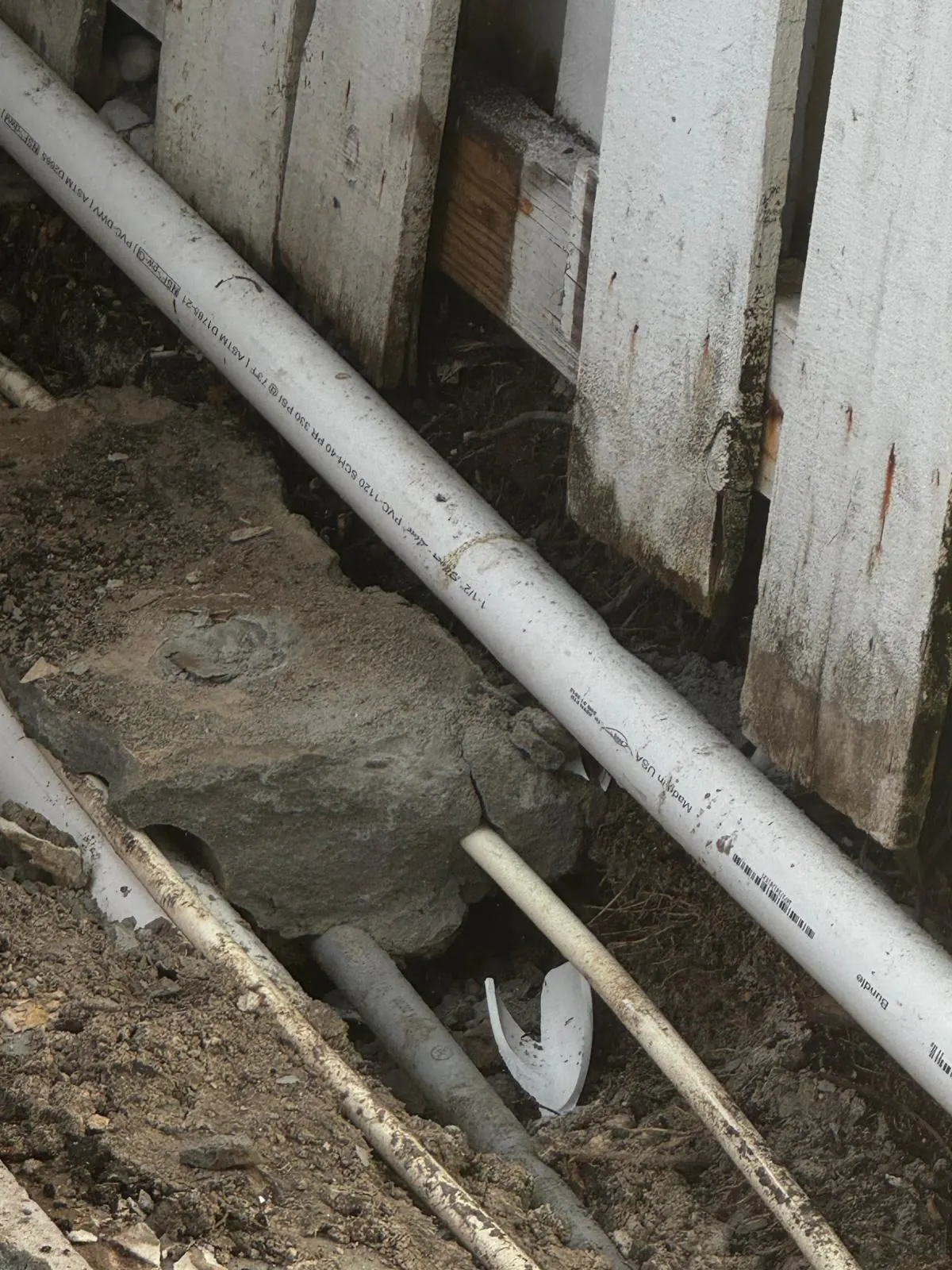
First the leak has to be found precisely, so that any opening is small and in the right place. Then there are two main options:
- Direct (Spot) Repair: open the slab at the leak, repair the pipe, and close it up. Often the best choice for a single leak in otherwise good pipe.
- Reroute: run a new line through the walls or attic and abandon the leaking section under the slab. Often the better choice when the pipe is old or has leaked before.
When several lines are failing, repiping may make more sense than repairing leak after leak. For typical market prices, see our South Florida plumbing cost guide. More about the service: slab leak repair.
What to Do Right Now
- Run the meter test above.
- If water is coming up through the floor, close the main water valve.
- Take photos of any damage for your insurance company.
- Call us at (786) 381-1381. We’re open 24 hours a day, 7 days a week.
FAQ
How Do I Know If I Have a Slab Leak?
Look for a higher water bill, warm spots on the floor, damp or warped flooring, the sound of running water and a water meter that moves when all water is off. A plumber can confirm it and find the exact spot.
Can a Slab Leak Fix Itself?
No. A leak in a pressurized line keeps running and usually gets worse over time.
Is a Slab Leak an Emergency?
It should be handled quickly. If water is surfacing inside the house, shut off the main valve and call a plumber right away.
Do You Have to Break the Floor to Fix a Slab Leak?
Not always. Sometimes the best option is a direct repair through the slab; other times the line is rerouted through the walls or attic instead.
Why Are Slab Leaks Common in South Florida?
Most homes here are built on concrete slabs with water lines in or under them, and many have older pipes, so leaks under the slab are a common problem.